
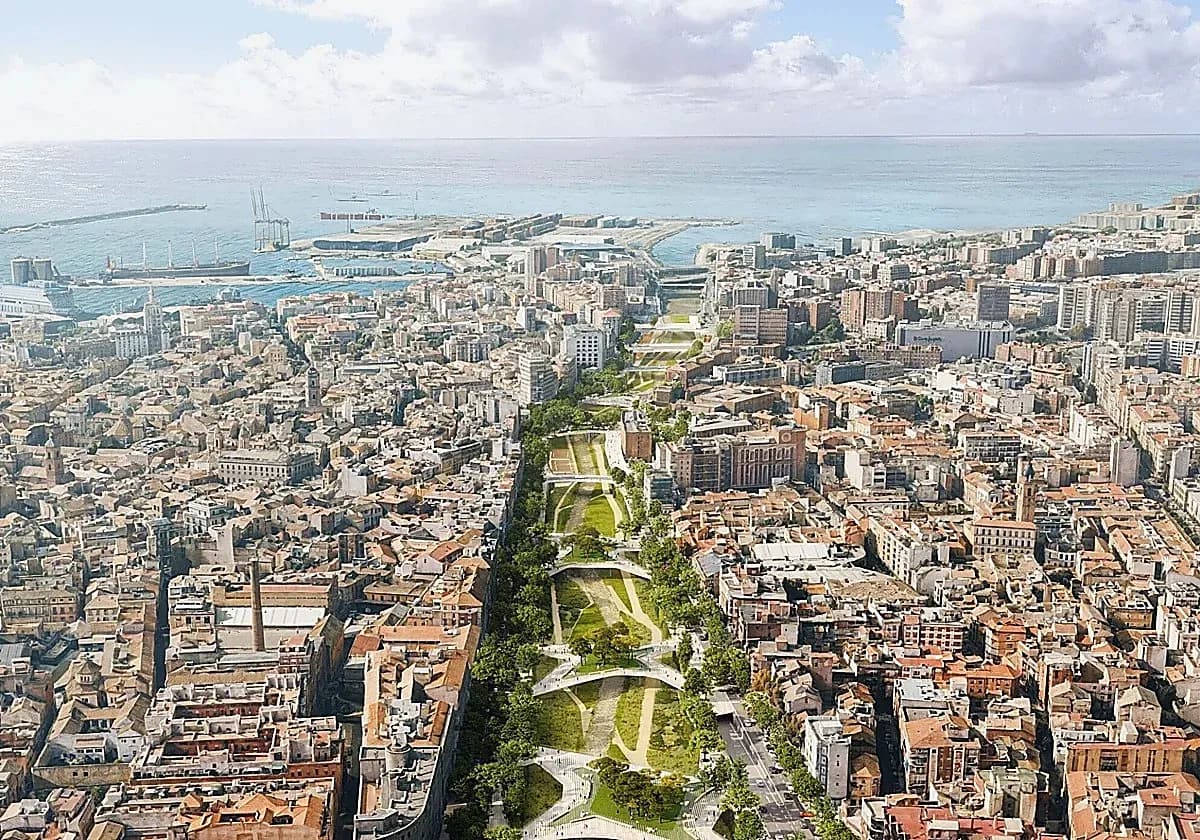
One of Málaga's most ambitious urban regeneration projects has taken another significant step forward. Two leading engineering and architecture firms have submitted bids to prepare the final construction plans for the long-awaited Guadalmedina plaza-bridges project, a development that aims to transform the riverbed into a vibrant public space while improving connectivity across the city.
The contract, valued at approximately €2 million, will determine which company is responsible for producing the detailed design of a project that has the potential to reshape Málaga's city centre for decades to come.
Two Major Engineering Teams in the Running
The competition is between Esteyco, the consultancy that prepared the project's original concept, and Ayesa, working alongside the landscape architecture firm Batlleiroig.
Both proposals are currently being evaluated by Málaga City Council. The successful bidder will have around 11 months to complete the detailed design work, marking a key stage before construction can begin.
Reimagining the Guadalmedina River
For decades, the Guadalmedina River has acted as a physical divide through the heart of Málaga. Although the riverbed is usually dry, its wide concrete channel separates neighbourhoods and limits pedestrian movement.
The proposed regeneration project seeks to change that by creating a greener, more accessible urban environment that connects both sides of the city while maintaining the river's flood-management capacity.
At the centre of the proposal are five distinctive X-shaped plaza-bridges, designed to function as public squares rather than traditional bridges. These spaces will offer landscaped areas, seating, walking routes, and gathering places, creating new opportunities for residents and visitors to enjoy the city.
A New Green Corridor for Málaga
The plans extend well beyond the bridges themselves.
The project also includes the creation of a 1.4-kilometre river park, featuring extensive landscaped areas, pedestrian routes, and hundreds of newly planted trees. In total, the development is expected to provide more than 76,000 square metres of green and public space, significantly increasing the amount of accessible open space in the city centre.
As well as enhancing the city's appearance, the new green corridor aims to improve biodiversity, reduce urban heat, and create a more pleasant environment for walking and cycling.
Balancing Regeneration and Flood Protection
Because the Guadalmedina plays a crucial role during periods of heavy rainfall, flood protection remains a central part of the design.
The proposed structures are intended to preserve the river's ability to carry large volumes of water while introducing new public spaces above. Plans also include modifications to the riverbed to improve water flow and reduce flood risks during extreme weather events.
This balance between urban regeneration and climate resilience has been one of the project's defining challenges.
Funding and Future Development
The first phase of the project is estimated to cost around €117 million, covering the plaza-bridges, river park, and environmental improvements.
A later phase could include the underground relocation of traffic along sections of the riverbanks, although these works are expected to be developed separately and would require substantial additional investment. Málaga City Council is exploring regional, national, European, and international funding options to support the project.
Public Participation Will Play a Key Role
An important feature of the design process will be public engagement.
The company awarded the contract will also be responsible for organising consultations with residents through workshops, surveys, public events, and digital platforms. The aim is to ensure local communities have the opportunity to contribute ideas before the final plans are completed.
What This Means for Málaga
The Guadalmedina plaza-bridges project represents far more than an infrastructure upgrade. It reflects Málaga's continued investment in creating a greener, more connected, and more liveable city.
If completed as planned, the transformation will provide new public spaces, improve pedestrian connections, enhance environmental sustainability, and reinforce Málaga's reputation as one of Spain's most forward-looking urban destinations.
For residents, businesses, and property owners alike, the project highlights the city's ongoing commitment to regeneration and long-term growth—developments that continue to strengthen Málaga's appeal as a place to live, work, and invest.