
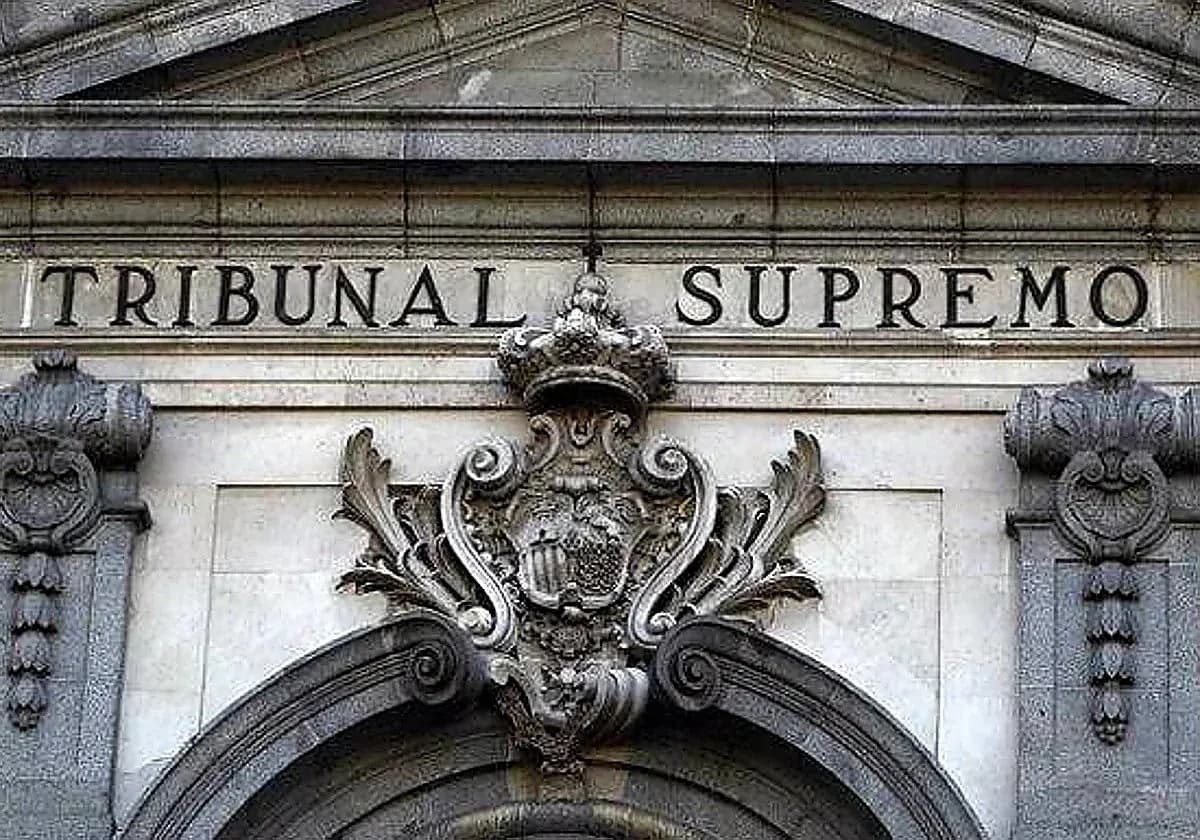
Spain's Supreme Court has delivered a significant ruling that reshapes how inheritance is handled when an heir dies before accepting or rejecting an estate. The decision ends years of legal uncertainty and is expected to have important implications for families, property owners, notaries, and estate professionals across Spain.
For anyone who owns property in Spain—or expects to inherit one—understanding this new precedent is essential.
What Was the Case About?
The case centred on a situation that, while relatively uncommon, can have major legal consequences.
A woman passed away without leaving a will, and one of her children died before formally accepting or renouncing their share of the inheritance. Years later, questions arose over who should inherit those rights and whether the deceased heir's surviving spouse should be involved in the division of the original estate.
Different courts reached different conclusions, creating uncertainty over how Spain's inheritance laws should be interpreted. The dispute eventually reached the Supreme Court, which has now clarified the legal position.
What Has Changed?
The Supreme Court has moved away from the interpretation it adopted in 2013 and returned to the more traditional understanding of inheritance transmission under Article 1006 of the Spanish Civil Code.
Previously, the law had generally been interpreted to mean that the heirs of a deceased beneficiary inherited directly from the original deceased person.
Under the new ruling, the Court has confirmed that the right to accept or reject an inheritance forms part of the deceased heir's own estate. This means those inheritance rights first pass through the estate of the heir who died before being exercised, rather than transferring directly from the original deceased to the next generation.
Why Does This Matter?
Although the legal distinction may seem technical, it has practical consequences for many families.
Because the inheritance rights now form part of the intermediary heir's estate, they must also be considered when calculating the legal rights of other beneficiaries, including a surviving spouse who is entitled to a reserved share under Spanish inheritance law.
In practice, this means that surviving spouses who may previously have been excluded from certain inheritance proceedings could now have a legal right to participate in the distribution of the original estate.
What Does This Mean for Property Owners?
For many families, inherited assets include real estate, making this ruling particularly relevant for property owners.
If an inheritance involves a home, apartment, or other property in Spain, the new precedent may affect:
- Who must be involved in the inheritance process.
- How inherited property is divided among beneficiaries.
- The calculation of compulsory inheritance rights.
- Property registration procedures.
- The documentation required before a sale or transfer can take place.
Where inheritance chains involve multiple generations or deaths occurring before estates have been finalised, professional legal advice is likely to become even more important.
Greater Clarity for Future Inheritance Cases
One of the main reasons this ruling is significant is that it resolves years of differing interpretations between courts, notaries, and land registries.
The Supreme Court acknowledged that the previous approach had created practical difficulties and legal uncertainty. By returning to the traditional interpretation, the Court aims to provide a more consistent framework for resolving inheritance disputes while strengthening the protection of beneficiaries with reserved inheritance rights.
What Should Property Owners and Families Do?
If you own property in Spain or expect to inherit Spanish assets, this decision is a good reminder to review your estate planning.
You may wish to consider:
- Reviewing your Spanish will to ensure it reflects your current wishes.
- Confirming that your beneficiaries understand the inheritance process.
- Seeking legal advice if an estate involves multiple generations or complex family circumstances.
- Updating your estate plan if your personal or family situation has changed.
Taking these steps can help reduce uncertainty and minimise the risk of future disputes.
Final Thoughts
The Spanish Supreme Court's latest decision marks one of the most important developments in Spanish inheritance law in recent years. By clarifying how inheritance transmission rights should be treated, the ruling provides greater legal certainty while reinforcing the rights of surviving spouses and other protected beneficiaries.
For property owners, heirs, and families with assets in Spain, the judgment highlights the importance of keeping wills and estate plans up to date. As inheritance laws continue to evolve, obtaining professional legal advice remains the best way to ensure your estate is managed according to your wishes and in line with current Spanish law.