
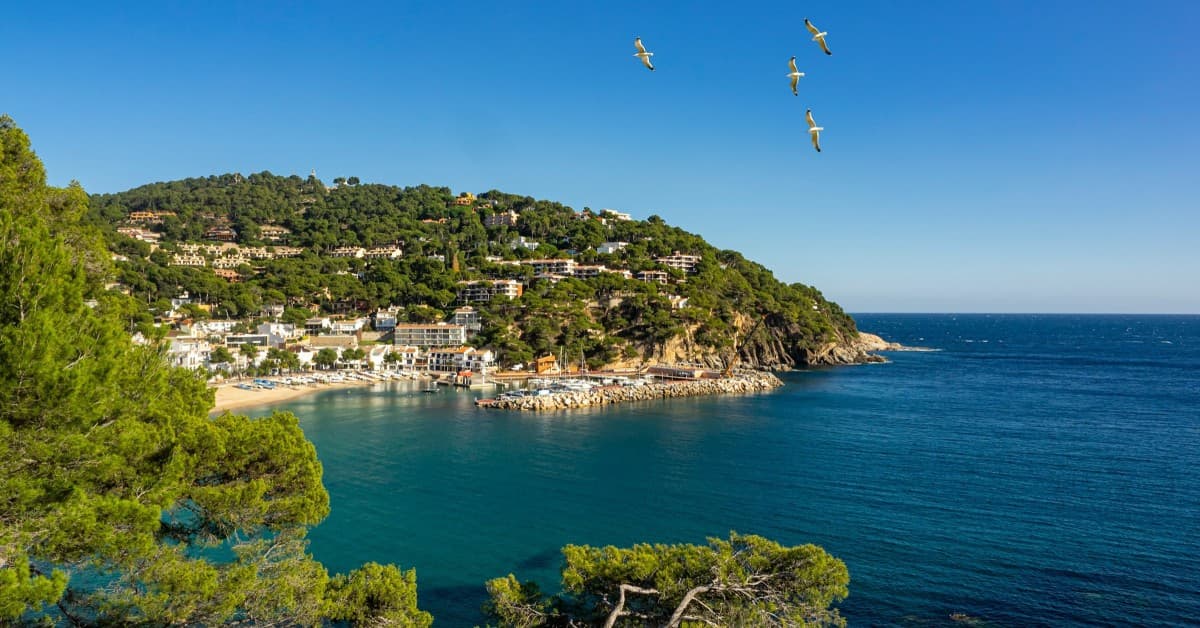
Spanje blijft een van de populairste pensioenbestemmingen ter wereld en trekt jaarlijks duizenden gepensioneerden aan dankzij het zonnige klimaat, de ontspannen levensstijl, uitstekende gezondheidszorg en levendige cultuur. Maar hoewel met pensioen gaan in Spanje veel voordelen biedt, zijn er ook uitdagingen waar toekomstige expats rekening mee moeten houden voordat ze de stap zetten.
Deze gids bespreekt de belangrijkste voor- en nadelen van wonen in Spanje na pensionering en helpt je bepalen of het de juiste bestemming is voor jouw pensioenplannen.
Kort Antwoord: Is Spanje een Goede Plek om Met Pensioen te Gaan?
Voor veel gepensioneerden biedt Spanje een uitzonderlijke levenskwaliteit dankzij het klimaat, het gezondheidszorgsysteem, de mediterrane levensstijl en de relatief betaalbare kosten van levensonderhoud in vergelijking met veel Noord-Europese landen en delen van Noord-Amerika.
Tegelijkertijd brengt een pensioen in Spanje ook uitdagingen met zich mee, zoals fiscale vraagstukken, bureaucratie, taalbarrières en regionale verschillen in de kosten van levensonderhoud.
De beste keuze hangt af van je financiële situatie, levensdoelen, gezondheidsbehoeften en bereidheid om je aan te passen aan een nieuwe cultuur.
De Voordelen van Met Pensioen Gaan in Spanje
1. Uitstekend Klimaat en Buitenleven
Een van de grootste troeven van Spanje is het weer.
Veel regio's genieten van:
- Meer dan 300 zonnige dagen per jaar
- Zachte winters
- Lange zomers
- Een buitenleven gedurende het grootste deel van het jaar
Populaire pensioenregio's zoals de Costa del Sol, Costa Blanca en de Middellandse Zeekust bieden gepensioneerden volop mogelijkheden om te wandelen, golfen, fietsen en buiten te dineren.
Voor wie een actieve levensstijl zoekt, is het Spaanse klimaat een groot voordeel.
2. Hoge Levenskwaliteit
Spanje behoort consequent tot de meest aantrekkelijke landen voor gepensioneerden dankzij de goede balans tussen werk en privé, de sociale cultuur en de focus op welzijn.
Het dagelijkse leven draait vaak om:
- Familie en gemeenschap
- Terrassen en sociale ontmoetingsplaatsen
- Verse lokale producten
- Culturele evenementen en festivals
- Een ontspannen levensritme
Veel gepensioneerden geven aan dat hun levenskwaliteit aanzienlijk verbetert na hun verhuizing.
3. Uitstekende Gezondheidszorg
Spanje staat wereldwijd bekend om zijn gezondheidszorg.
Gepensioneerden profiteren van:
- Moderne ziekenhuizen
- Hoogopgeleide medische professionals
- Uitgebreide particuliere zorgmogelijkheden
- Een sterke zorginfrastructuur in de belangrijkste regio's
Veel expats kiezen voor een particuliere zorgverzekering, die vaak voordeliger is dan vergelijkbare dekking in andere landen.
De gezondheidszorg blijft een van de belangrijkste redenen waarom veel gepensioneerden voor Spanje kiezen.
4. Goed Gevestigde Expatgemeenschappen
Spanje verwelkomt al tientallen jaren internationale gepensioneerden.
Daardoor bieden veel gebieden:
- Engelstalige diensten
- Internationale sociale groepen
- Expatverenigingen
- Sportclubs en hobbygroepen
- Internationale supermarkten
Deze gemeenschappen maken de overgang vaak gemakkelijker en helpen gevoelens van isolatie tijdens de eerste jaren te verminderen.
5. Grote Variatie aan Bestemmingen
Spanje biedt pensioenmogelijkheden voor vrijwel iedere levensstijl.
Of je nu de voorkeur geeft aan:
- Wonen aan de kust
- Historische steden
- Landelijke dorpen
- Eilandleven
- Golfgemeenschappen
Er zijn regio's die aansluiten bij uiteenlopende budgetten en levensstijlen.
Veel gepensioneerden kiezen voor:
- Valencia
- Málaga
- Alicante
- Marbella
Deze bestemmingen blijven bijzonder populair onder internationale gepensioneerden.
De Nadelen van Met Pensioen Gaan in Spanje
1. Bureaucratie Kan Frustrerend Zijn
Een van de meest gehoorde klachten onder gepensioneerden is de Spaanse bureaucratie.
Nieuwe inwoners moeten vaak het volgende regelen:
- Verblijfsdocumentatie
- Een NIE-nummer
- Registratie voor gezondheidszorg
- Bankzaken
- Fiscale registraties
Procedures kunnen traag verlopen en vereisten veranderen regelmatig. Veel gepensioneerden schakelen daarom juridische professionals in om het proces te vereenvoudigen.
2. Fiscale Planning Is Essentieel
Fiscaal resident worden is een van de belangrijkste aandachtspunten bij een verhuizing naar Spanje.
Over het algemeen geldt dat personen die meer dan 183 dagen per jaar in Spanje verblijven, fiscaal resident kunnen worden.
Mogelijke gevolgen zijn:
- Belasting op wereldwijd inkomen
- Belasting op pensioenen
- Rapportage van beleggingsinkomsten
- Vermogensbelasting
- Erfbelastingplanning
Hoewel Spanje belastingverdragen heeft met veel landen, is professioneel advies sterk aan te raden.
3. Taalbarrières Buiten Toeristische Gebieden
Hoewel Engels veel wordt gesproken in sommige expatgebieden, is Spaans vaak noodzakelijk in het dagelijks leven.
Taaluitdagingen kunnen ontstaan bij:
- Bezoeken aan overheidsinstanties
- Het openen van een bankrekening
- Het lezen van juridische documenten
- Het gebruik van gezondheidszorg
- Vastgoedzaken en administratie
Gepensioneerden die tijd investeren in het leren van Spaans ervaren doorgaans een soepelere en meer verrijkende integratie.
4. De Zomerhitte Kan Intens Zijn
De zon is een van de grootste trekpleisters van Spanje, maar extreme hitte kan ook een nadeel zijn.
In bepaalde binnenlandse en zuidelijke regio's lopen de temperaturen in de zomer regelmatig op tot boven de 40°C. Dit kan uitdagend zijn voor sommige gepensioneerden, vooral voor mensen met gezondheidsproblemen.
De keuze van de juiste regio maakt daarom een groot verschil voor het comfort gedurende het hele jaar.
5. Kosten van Levensonderhoud Verschillen Sterk
Hoewel Spanje vaak als betaalbaar wordt beschouwd, verschillen de kosten aanzienlijk per locatie.
Populaire bestemmingen zoals:
- Barcelona
- Madrid
- Marbella
kunnen aanzienlijk duurder zijn dan kleinere steden en binnenlandse regio's.
Het is daarom essentieel om lokale kosten zorgvuldig te onderzoeken voordat je verhuist.
Voor Wie Is Spanje Het Meest Geschikt?
Spanje kan een uitstekende keuze zijn als je:
- Van warm weer houdt
- Het buitenleven waardeert
- Toegang wilt tot goede gezondheidszorg
- Over een stabiel pensioeninkomen beschikt
- Geïnteresseerd bent in het leren van Spaans
- Houdt van een rustiger levensritme
Spanje is mogelijk minder geschikt als je:
- Een hekel hebt aan administratieve procedures
- Koelere klimaten prefereert
- Alleen Engelstalige diensten nodig hebt
- Geen fiscale planning hebt gedaan
- De voorkeur geeft aan een sterk gestructureerde levensstijl
Veelgestelde Vragen
Kunnen buitenlanders met pensioen gaan in Spanje?
Ja. Spanje blijft een van de populairste pensioenbestemmingen van Europa voor buitenlandse inwoners.
Is de gezondheidszorg in Spanje goed voor gepensioneerden?
Ja. Spanje beschikt over een hoogwaardig gezondheidszorgsysteem met zowel publieke als private zorgmogelijkheden.
Moet ik Spaans spreken?
Niet noodzakelijk, maar het leren van Spaans kan je ervaring en integratie aanzienlijk verbeteren.
Is Spanje duur voor gepensioneerden?
Dat hangt af van de regio. Sommige kustgebieden en grote steden kunnen prijzig zijn, terwijl veel kleinere steden nog steeds relatief betaalbaar zijn.
Wat is de grootste uitdaging van met pensioen gaan in Spanje?
Veel gepensioneerden noemen bureaucratie, belastingen en taalbarrières als de meest voorkomende uitdagingen.
Tot slot
Met pensioen gaan in Spanje biedt een unieke combinatie van zon, gezondheidszorg, cultuur en levenskwaliteit die nog steeds gepensioneerden van over de hele wereld aantrekt. Hoewel uitdagingen zoals belastingen, bureaucratie en taalbarrières niet onderschat mogen worden, kan een goede voorbereiding zorgen voor een succesvolle overgang.
Voor gepensioneerden die op zoek zijn naar een actieve levensstijl, veel buitenleven, uitstekende gezondheidszorg en een sterk gemeenschapsgevoel, blijft Spanje een van de aantrekkelijkste pensioenbestemmingen van Europa.