
De Andalusische economie blijft beter presteren dan het Spaanse gemiddelde. De regio noteert een sterkere bbp-groei dan het nationale gemiddelde en profiteert van solide prestaties in de dienstensector, de bouw en de industrie.De nieuwste cijfers benadrukken de veerkracht van de Andalusische economie en vormen een positief uitgangspunt voor bedrijven, investeerders en de regionale vastgoedmarkt.
In 2026 the gross product of Andalusia met 2.8% with a jaarbasis, and 2.7% of the Andalusian blues were 2.7% for the geheel. Daarmee behoorde de regio in dat kwartaal ook tot de snelst groeiende autonome gemeenschappen van Spanje.
Economische groei in Andalusië overtreft die van Spanje
Uit de nieuwste gegevens van het Instituto de Estadística y Cartografía de Andalucía (IECA) blijkt dat de Andalusische economie in het eerste kwartaal van 2026 een jaarlijkse groei van 2,8% handhaafde.
Ter vergelijking: voor heel Spanje bedroeg de groei 2,7%, waardoor Andalusië net iets beter presteerde dan de nationale economie. Op kwartaalbasis groeide de Andalusische economie eveneens met 0,7%, tegenover 0,6% op nationaal niveau.
Deze prestaties zijn bijzonder opmerkelijk gezien de economische onzekerheid waarmee Europa en de internationale markten worden geconfronteerd.
Ondanks deze uitdagingen is Andalusië erin geslaagd zijn economische dynamiek te behouden, na meerdere kwartalen van sterke groei.
Dienstensector blijft de motor van de Andalusische economie
De dienstensector blijft de grootste bijdrage leveren aan de economische activiteit in Andalusië.
In het eerste kwartaal van 2026 groeide de sector met 3,6% op jaarbasis en droeg hij ongeveer 2,4 procentpunt bij aan de totale groei van het regionale bbp.
Verschillende onderdelen van de diensteneconomie presteerden bijzonder goed.
Informatie en communicatie lieten een indrukwekkende groei van 11,5% zien, terwijl handel, vervoer en horeca met 5,8% toenamen.
Ook de zakelijke en professionele dienstverlening groeide sterk, met een stijging van 4,8%.
Deze cijfers onderstrepen het toenemende belang van diensten, toerisme, technologie, vervoer en professionele sectoren voor de economie van Andalusië.
Ook bouw en industrie laten sterke groei zien
Niet alleen de dienstensector ondersteunt de regionale economie.
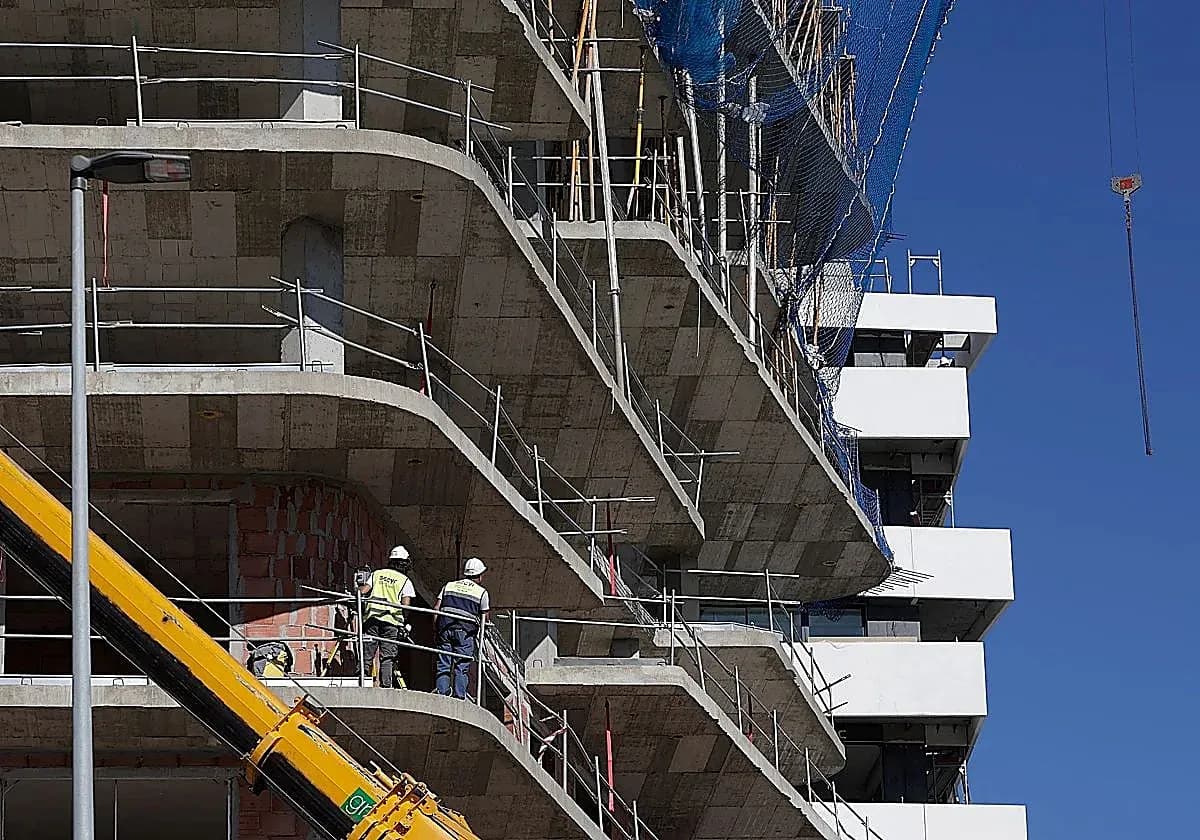
De bouwsector groeide met 5,1% op jaarbasis en was daarmee in het eerste kwartaal de snelst groeiende grote sector. Ook de industrie presteerde sterk, met een groei van 4,9%.
De prestaties van de bouwsector zijn bijzonder interessant voor de Andalusische vastgoedmarkt.
Bouwactiviteiten hangen nauw samen met de vraag naar nieuwe woningen, infrastructuur en investeringen, vooral in gebieden met een grote vraag langs de Costa del Sol.
Van Marbella en Estepona tot Málaga, Fuengirola en Mijas: de aanhoudende ontwikkeling draagt bij aan de transformatie van delen van de regio en speelt tegelijkertijd in op de vraag van zowel Spaanse als internationale kopers.
Malaga en de Costa del Sol profiteren van de economische dynamiek
Een van de gebieden waar de economische groei van Andalusië bijzonder zichtbaar is, is de Costa del Sol.
De provincie Málaga heeft zich ontwikkeld tot een belangrijk centrum voor toerisme, technologie, internationale bedrijvigheid, vastgoed en dienstverlening.
De stad Málaga heeft technologiebedrijven, ondernemers en internationale professionals aangetrokken, terwijl de bredere Costa del Sol blijft profiteren van haar gevestigde toeristische sector en vastgoedmarkt.
Deze combinatie helpt de regionale economie te verbreden en minder afhankelijk te maken van traditionele sectoren.
Voor internationale kopers is dit een belangrijke overweging bij het zoeken naar vastgoed in Andalusië.
Een sterke economie kan werkgelegenheid, bedrijfsactiviteit, investeringen in infrastructuur en de vraag naar woningen ondersteunen.
Wat betekent economische groei voor de Andalusische vastgoedmarkt?
Er bestaat een belangrijke relatie tussen economische groei en vastgoed.
Wanneer een economie groeit, kunnen bedrijven investeren, kan de werkgelegenheid toenemen en kunnen huishoudelijke uitgaven stijgen. Deze factoren kunnen bijdragen aan de vraag naar residentieel en commercieel vastgoed.
Dat de Andalusische bouwsector in het eerste kwartaal met meer dan 5% groeide, is bijzonder relevant voor de nieuwbouwmarkt.
In populaire kustgebieden in de regio worden nog steeds nieuwe projecten ontwikkeld, waaronder appartementen, herenhuizen en villa's voor zowel permanente bewoners als internationale kopers.
Voor kopers die vastgoed in Zuid-Spanje overwegen, is dit een extra reden om naast vastgoedprijzen, hypotheekrentes en woningaanbod ook de economische prestaties van de regio te volgen.
Internationale investeringen blijven belangrijk
De internationale aantrekkingskracht van Andalusië reikt veel verder dan het toerisme.
De regio trekt buitenlandse inwoners, ondernemers, investeerders en vastgoedkopers aan uit heel Europa en ver daarbuiten.
Vooral de Costa del Sol heeft zich gevestigd als een internationale bestemming waar mensen zakelijke mogelijkheden kunnen combineren met een mediterrane levensstijl.
Deze internationale vraag ondersteunt uiteenlopende lokale sectoren, van horeca en detailhandel tot professionele dienstverlening, bouw en vastgoed.
Dit helpt ook te verklaren waarom plaatsen zoals Marbella, Estepona en Málaga de aandacht van internationale vastgoedkopers blijven trekken.
Economische vooruitzichten voor Andalusië in 2026
De nieuwste cijfers wijzen erop dat Andalusië de rest van 2026 vanuit een relatief sterke positie ingaat.
In zijn regionale vooruitzichten voorspelt BBVA Research een bbp-groei van 2,3% voor Andalusië in 2026, na een geschatte groei van 3,2% in 2025. De bank verwacht dat de groei boven het historische gemiddelde van de regio zal blijven.
De vooruitzichten blijven daarmee gericht op verdere expansie, al zal het groeitempo naar verwachting afzwakken ten opzichte van de uitzonderlijk sterke groei in de voorgaande periode.
Ook de bredere Spaanse economie zal naar verwachting in 2026 blijven groeien, ondersteund door de binnenlandse vraag, consumptie en investeringen.
Een positief signaal voor bedrijven en vastgoedkopers
De nieuwste economische cijfers van Andalusië vormen een bemoedigend vooruitzicht voor de regio.
Nu het bbp iets sneller groeit dan het Spaanse gemiddelde, de bouwsector sterk uitbreidt en de dienstensector de economie blijft aandrijven, blijft Andalusië een belangrijk onderdeel van het Spaanse groeiverhaal.
Voor de vastgoedmarkt aan de Costa del Sol is de kracht van de bredere regionale economie bijzonder relevant.
Internationale kopers die kijken naar vastgoed te koop in Marbella, Estepona, Málaga, Mijas en andere plaatsen aan de Costa del Sol, investeren niet alleen in een woning. Ze investeren in een van de internationaal best verbonden mediterrane regio’s van Europa.
De toekomst van Andalusië
De economie van Andalusië heeft de afgelopen jaren aanzienlijke veranderingen doorgemaakt. Traditionele sectoren worden steeds vaker aangevuld door technologie, professionele dienstverlening, internationale investeringen en groeiende bouwactiviteiten.
De nieuwste groeicijfers wijzen erop dat deze transformatie zich voortzet.
Hoewel er uitdagingen blijven bestaan, vooral op het gebied van energiekosten, landbouw en het bredere internationale economische klimaat, heeft Andalusië een aanzienlijke veerkracht getoond.
Nu de economische groei boven het Spaanse gemiddelde ligt, lijkt de regio ook in de toekomst een belangrijke bestemming te blijven voor bedrijvigheid, toerisme, investeringen en internationale vastgoedkopers.
Voor iedereen die overweegt naar Zuid-Spanje te verhuizen of er te investeren, vormen de economische prestaties van Andalusië een extra positieve factor om in 2026 in het oog te houden.