
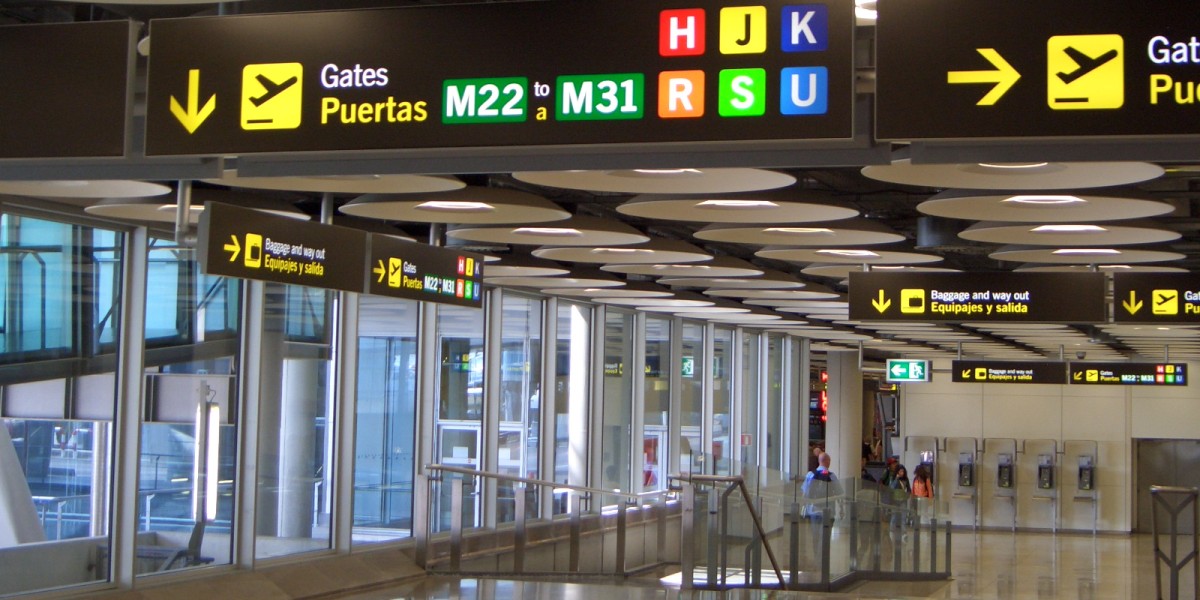
The European Union is rolling out a major update to travel rules for visitors from outside the EU. The European Travel Information and Authorisation System (ETIAS) — a digital travel authorisation system — is expected to become fully operational in late 2026 and will affect how tourists and property buyers from visa‑exempt countries enter and stay in Spain.
For international visitors drawn to Spain’s sunny beaches, cultural cities, and vibrant property markets — especially in areas like Costa del Sol, Costa Blanca, and Murcia — understanding these changes matters. This article explains what ETIAS is, how it works, and what it could mean for tourism and real estate demand in 2026.
What Is ETIAS?
ETIAS stands for the European Travel Information and Authorisation System. It is not a visa but a pre‑travel authorisation that travellers from visa‑exempt countries must obtain before entering the Schengen Area, which includes Spain.
The system is similar to the US ESTA program: travellers complete an online form, pay a fee, and receive approval to visit multiple times over a period. ETIAS helps the EU screen visitors before arrival and enhance border security.
How ETIAS Will Work in 2026
Under the latest implementation timeline:
- The Entry/Exit System (EES) — a biometric border tracking system — began rolling out in 2025 and monitors entry and exit data such as fingerprints and facial scans, replacing traditional passport stamps.
- ETIAS will be introduced in late 2026, likely around October, following EES deployment.
- A transition period may allow travellers to enter without an ETIAS for several months after rollout, followed by a full enforcement phase in 2027.
Once the system is active, travellers from over 60 visa‑exempt countries (including the United Kingdom, United States, Canada and Australia) will need to apply online and receive authorisation before travel. Approval is usually quick, often within minutes, provided information is accurate.
Costs and Validity
Applicants aged 18–70 will be required to pay a fee for ETIAS authorisation — originally set at €7, but European Commission proposals now plan to increase it to €20 by 2026 to help fund the system’s ongoing operation.
Once granted, an ETIAS authorisation is expected to:
- Be valid for up to three years or until the traveller’s passport expires, whichever comes first.
- Allow multiple entries into the Schengen Area for stays of up to 90 days within each 180‑day period.
The process is designed to be efficient and largely automated, though travellers should apply well before travel to avoid delays.
Impact on Spanish Tourism
ETIAS has sparked debate among industry professionals in Spain. Some see the system as a minor administrative step, similar to other global pre‑travel authorisation systems, and believe it won’t significantly deter tourism demand. Experts have pointed out that streamlined digital authorisation could reduce waiting times at busy airports.
However, others — including some hoteliers and tourism boards — have expressed concern over the possible cost increase and bureaucracy associated with ETIAS. In regions such as the Costa del Sol, where British, Nordic and other non‑EU visitors make up a large share of arrivals, a higher fee or perceived travel complexity could impact holiday bookings if not clearly communicated.
Higher ETIAS fees could add to overall travel costs for families and long‑stay tourists, especially when viewed alongside other local tourist taxes in popular destinations like Barcelona and the Balearic Islands.
What It Means for Property Markets
Spain’s property markets — particularly in coastal and resort areas — are closely linked to tourism flows. Markets like Marbella on the Costa del Sol and towns in Costa Blanca and Murcia attract international buyers who often visit multiple times before buying and return frequently after purchase.
Because ETIAS is valid for multiple trips over three years, frequent travellers and property investors may find the process relatively simple once authorisation is granted. The requirement to apply ahead of time encourages buyers and visitors to plan visits longer in advance, which could support off‑peak tourism and property viewings.
Yet if travellers misunderstand ETIAS requirements or face unexpected costs, there is a risk of short‑term hesitation in travel bookings — which could indirectly affect property viewings and international buyer interest. Clear communication about the new regulations, fees, and application process will be crucial for agents and developers working with international buyers.
Preparing for ETIAS and Travel to Spain
International visitors planning to travel to Spain or view properties in 2026 should keep these tips in mind:
- Apply early: Don’t wait until the last minute to apply for ETIAS, as processing times can vary.
- Check entry rules: In addition to ETIAS, travellers should meet passport validity and stay‑limit requirements.
- Watch for official sources: Only use the official EU ETIAS website for applications to avoid scams. Fraudulent sites mimicking the system have already been reported.
- Budget for fees: Factor the ETIAS cost into your travel budget, especially if visiting with family.
Conclusion
The rollout of ETIAS marks one of the most significant changes to European travel regulations in years. For Spain, a country whose tourism and property markets rely heavily on international visitors, the new system is expected to introduce additional steps in the travel process without dramatically reducing demand.
Most experts believe the impact on tourism and the property market will be manageable if travellers and buyers understand the requirements and plan ahead. Far from discouraging international engagement, ETIAS could streamline border entry and help Spain continue to welcome millions of visitors and prospective property buyers every year.